
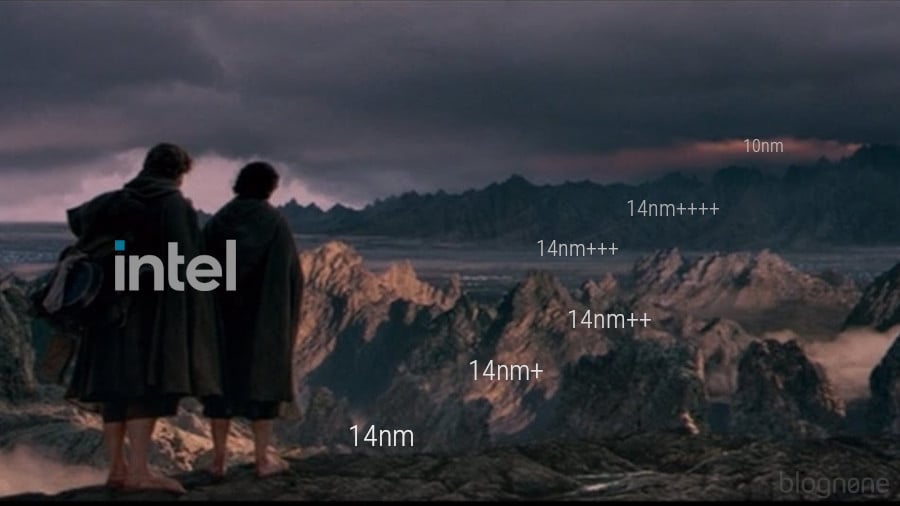
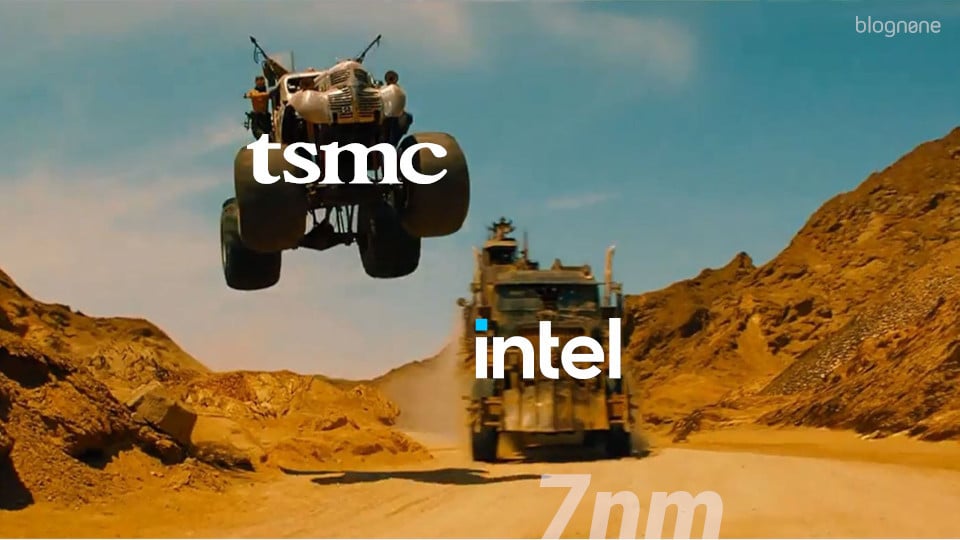
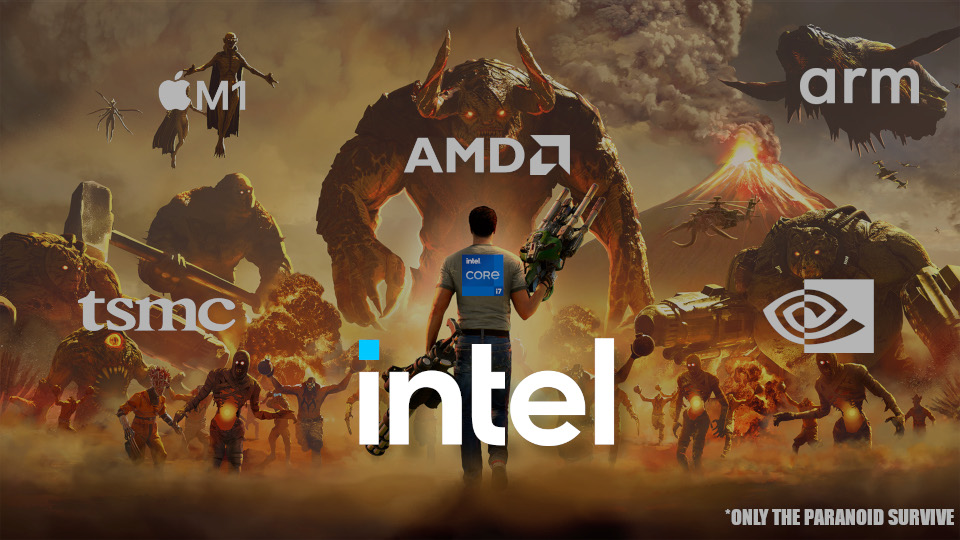
ช่วงหลังๆ ไม่ค่อยมีเวลาเขียนงานยาวๆ มากนัก แต่ปัญหาของอินเทลในช่วงหลังๆ จนถึงขนาดต้องเปลี่ยนตัว CEO ทำให้สนใจมาศึกษาอินเทลอย่างละเอียด และได้ออกมาเป็นซีรีส์ “เกิดอะไรขึ้นที่อินเทล” จำนวน 3 ตอน
 www.blognone.com
  www.blognone.com
  www.blognone.com
 เนื่องจากติดภารกิจอื่นๆ อีกหลายอย่าง เลยเขียนซีรีส์นี้ช้ากว่าที่ตั้งใจไว้พอสมควร หลังจบตอนที่ 3 ไม่นาน Pat Gelsinger ซีอีโอคนใหม่ที่เพิ่งมาทำงานได้ไม่นาน ก็ออกมาแถลงชุดใหญ่ทันที ตอบโจทย์เกือบทุกข้อที่วิเคราะห์เอาไว้
(หมายเหตุ: เคยเขียนบล็อกถึง Pat Gelsinger ตอนที่ยังเป็นซีอีโอ VMware ตอนที่ไปฟังเขาพูดที่สิงคโปร์เมื่อปี 2019)
 www.blognone.com
 สำหรับคนที่สนใจเรื่องนี้ แนะนำให้ดูคลิปแถลงของ Gelsinger โดยตรงจะดีมาก (วันที่แถลง ผมมีเวลาน้อยเลยดูไม่จบทั้งหมด แต่ดูไปก็ตบโต๊ะไปว่า สุดยอด) ส่วนรายละเอียดอื่นๆ ที่เกี่ยวข้องกับการแถลง อ่านได้จากเว็บของอินเทล
หลังจากนั้นไม่นาน Ben Thomson หนึ่งในนักเขียน/นักวิเคราะห์สายไอทีที่ทรงพลังที่สุดในยุคนี้ (ปัจจุบัน เขาอาศัยอยู่ที่ไต้หวันด้วย เลยเข้าใจธุรกิจเซมิคอนดักเตอร์เป็นอย่างดีมาก) มาเขียนวิเคราะห์แถลงการณ์ของ Gelsinger อย่างละเอียด (ละเอียดมาก ดีมาก) ทำให้เข้าใจบริบท และ “ระหว่างบรรทัด” ของคำแถลงได้มากขึ้นอีก

 Stratechery by Ben Thompson
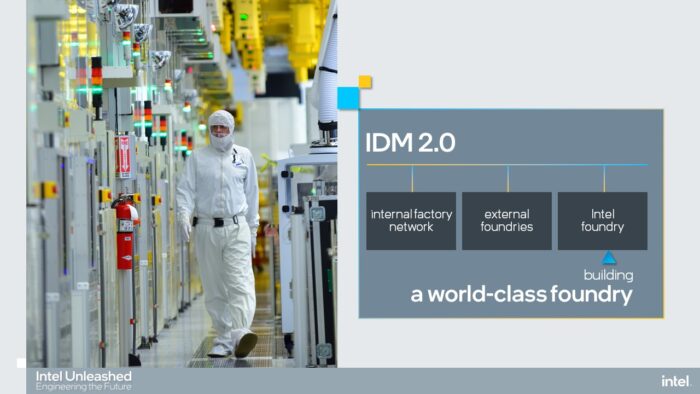
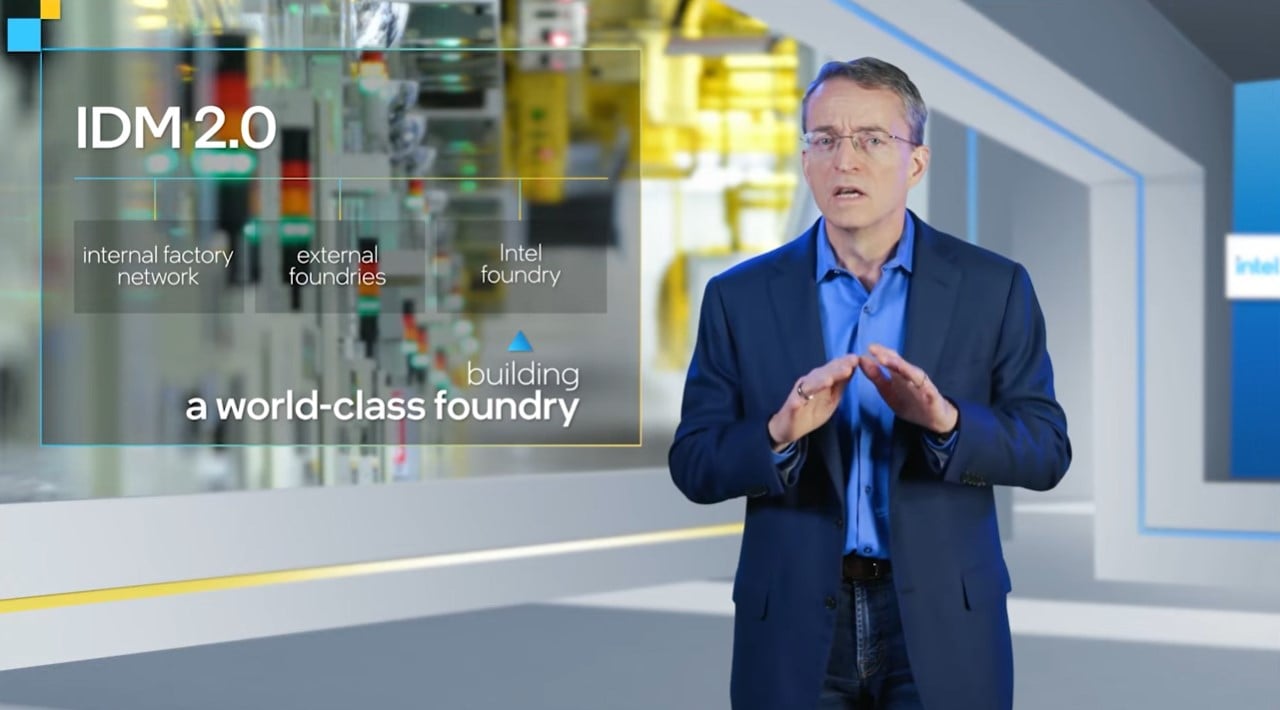
 สิ่งที่โดดเด่นที่สุดของคำแถลงนี้ ย่อมหนีไม่พ้นคำประกาศ IDM 2.0 ที่อินเทลจะตั้งหน่วยธุรกิจใหม่ มารับจ้างผลิตชิปให้คนอื่น โดยอาศัยจุดเด่นและปัจจัยหนุนจาก
- เทคโนโลยีด้าน chip packaging ของตัวเอง (Foveros 3D stacking)
- ปัจจัยด้าน geopolitics ที่สหรัฐ-ยุโรป ต้องการผลิตชิปเอง
- กระแสความต้องการชิปจากทุกอุตสาหกรรมทั่วโลก
ต้องบอกว่าแก้ทั้งจุดอ่อนเดิมๆ (โรงงานชิปของตัวเองมี economy of scale ไม่พอในการลงทุนที่ราคาแพงมาก) และอาศัย “จังหวะเวลา” ที่ดีเยี่ยมในการประกาศแผนนี้
หมายเหตุ: Ponte Vecchio จีพียูซูเปอร์คอมพิวเตอร์ของอินเทล น่าจะสะท้อนทิศทางใหม่นี้ได้ชัดเจนมาก
- เป็น XPU คือ มีหน่วยประมวลผลหลายตัว (GPU + อื่นๆ ยังไม่รวม CPU เข้ามา)
- มีชิปหลายก้อน (tiles) บนบอร์ดแผ่นเดียว (system on package, not system on chip)
- ชิปมาจากหลายยี่ห้อ บางตัวจ้าง TSMC ผลิตให้
- ใช้ระบบ packaging ของอินเทล (Foveros) แปะทับกันเป็นชั้นๆ คนอื่นไม่มี